









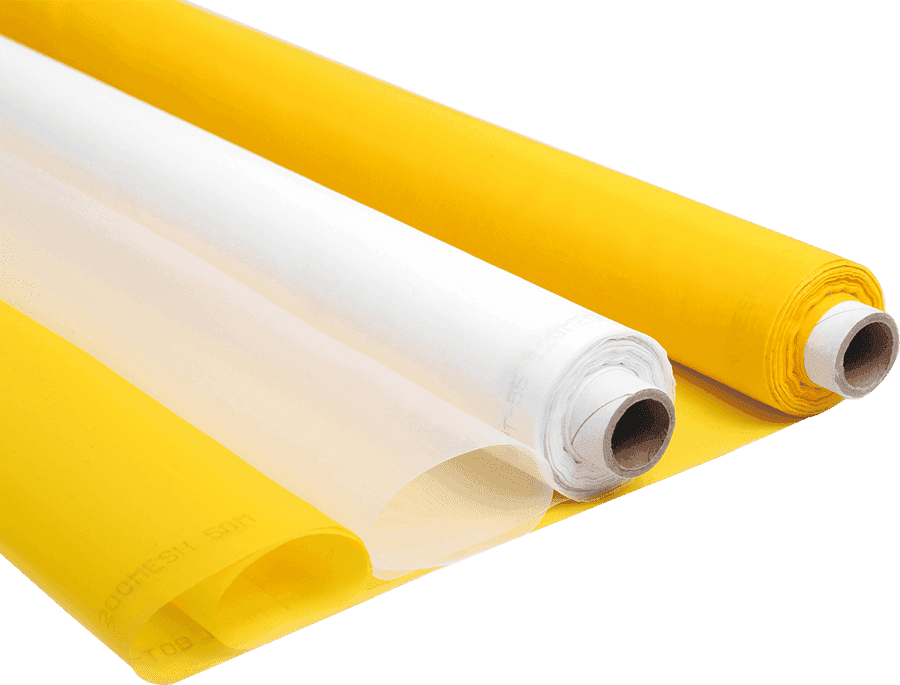
Are Silk Mesh and Screen Mesh the Same? What Is the Difference?
Are silk mesh and screen mesh the same? Learn how the terms differ, what polyester monofilament means, how mesh numbers work and where the mesh is used.
Read MoreOther Names Used in the Trade
Screen mesh, widely known in the trade as silk mesh, is a polyester monofilament technical mesh weave used in printing and filtration. Also searched for as silk screen mesh, printing silk or filter cloth, it is supplied by Tekden Tekstil from 12T to 165T in different widths and sizes.
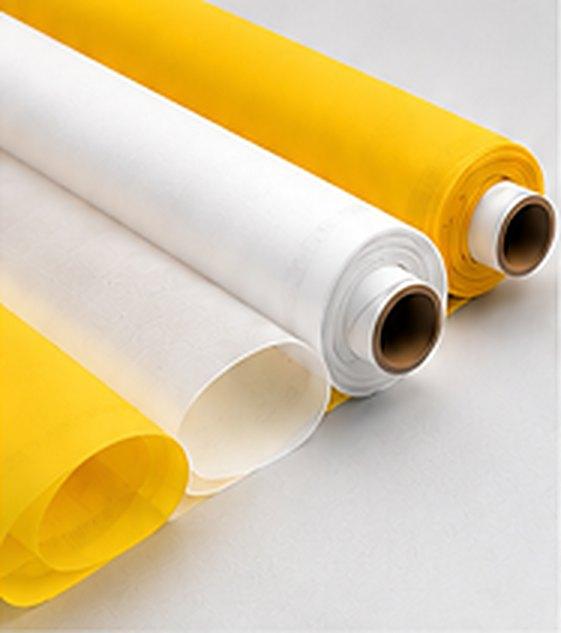
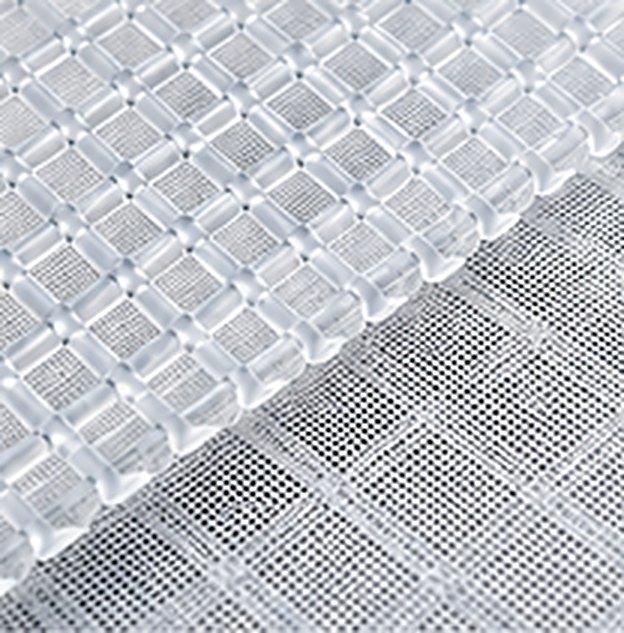
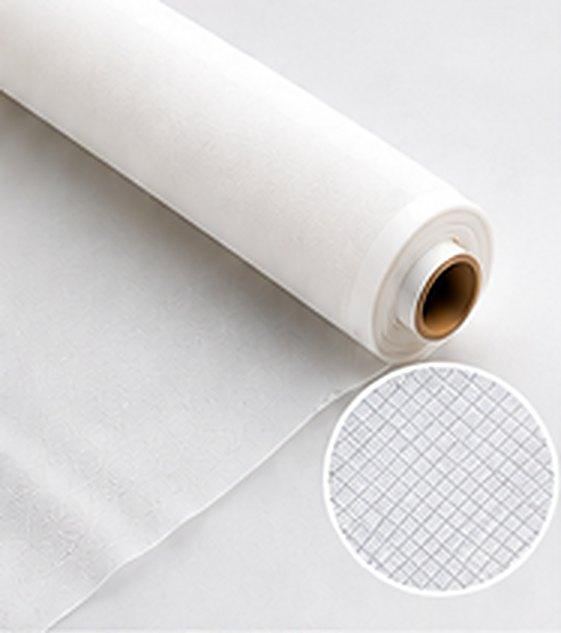
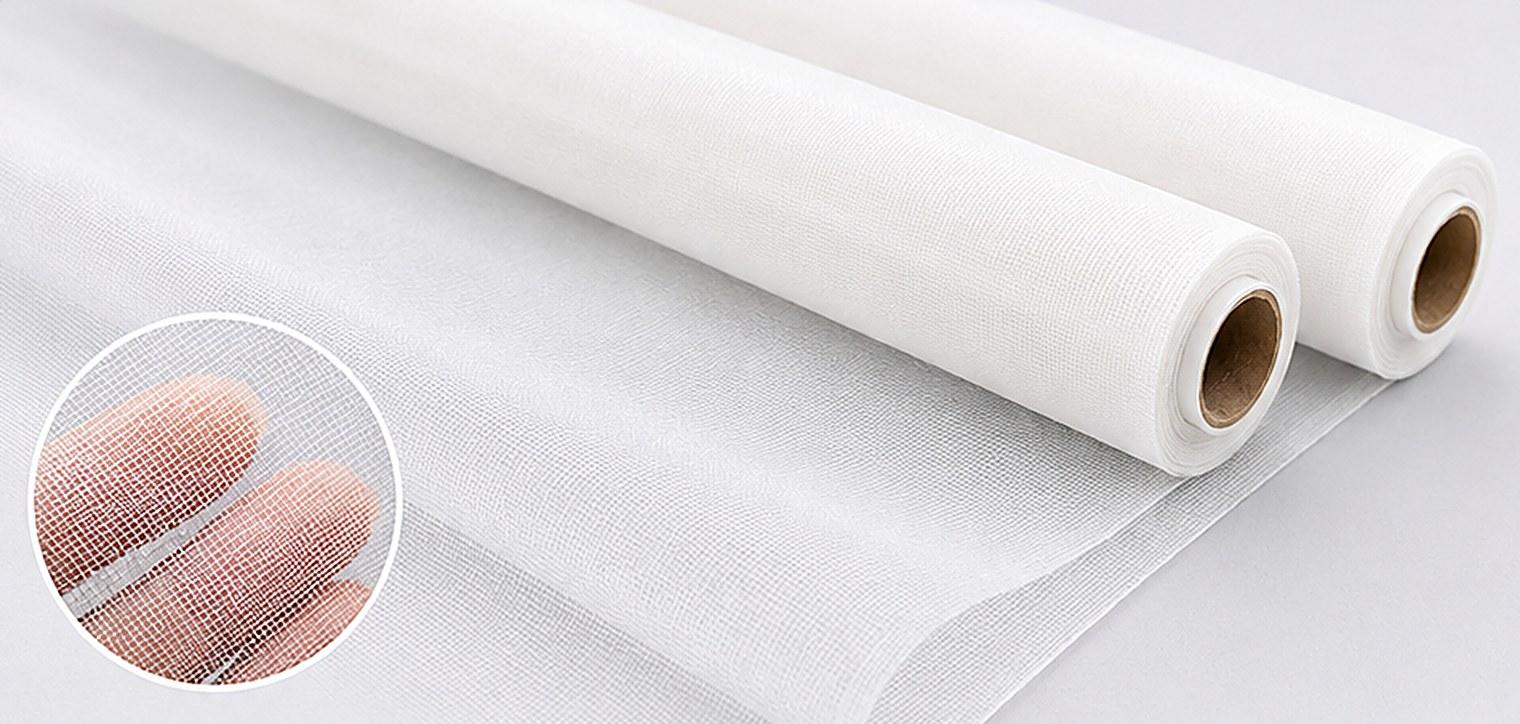
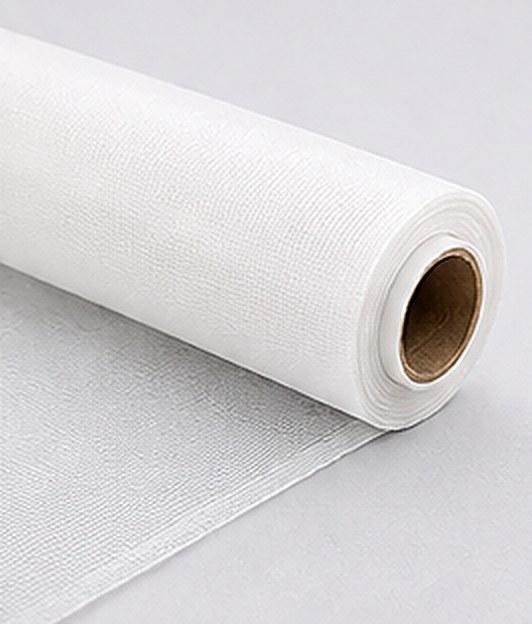
Silk screen mesh is an evenly woven technical mesh used in screen printing and textile printing screens and in filtration and sieving applications. In the trade it is also known as silk mesh, screen mesh or printing silk. The silk screen mesh supplied by Tekden Tekstil is polyester monofilament and is available in 12 mesh counts from 12T to 165T.
The word "silk" in its name dates back to the early days of screen printing, when real silk was used in screens. Tekden Tekstil's product is not real silk but polyester monofilament. The right product is chosen by the mesh number that suits the application, not by the name.
See the 12T–165T mesh count tableOur available counts:
Choose your application.
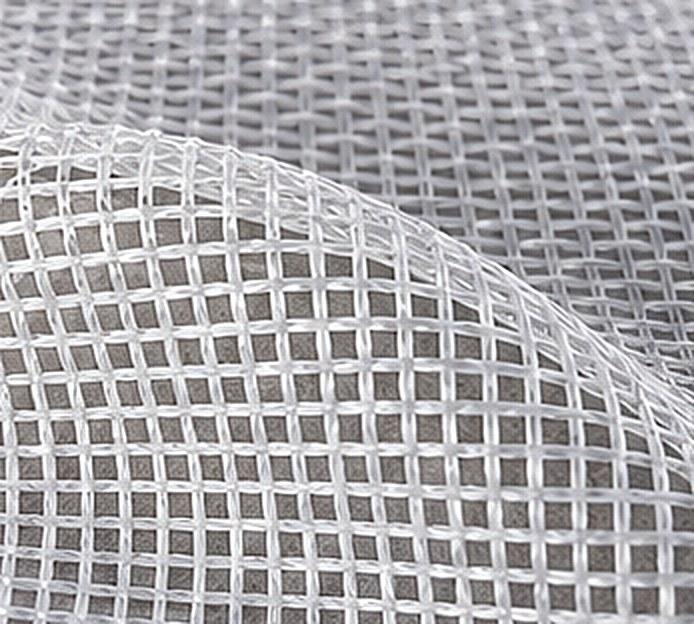
Screen mesh is a technical mesh, that is, a woven net material with a defined thread structure and a regular weave geometry. Because the threads are woven at even intervals, openings of similar size form across the surface. These openings let ink pass in printing, and fluid pass in filtration, in a controlled way.
The product Tekden Tekstil supplies is polyester monofilament screen mesh. In polyester screen mesh, every thread in the weave is a single filament; the term "monofilament" describes this single-filament thread structure. In international sources the same product appears as polyester mesh, monofilament mesh or technical mesh.
Polyester monofilament screen mesh can be used in screen and textile printing screens, glass and electronics printing, filtration and sieving, and various industrial fields. Depending on the application the same product goes by different trade names: silk mesh or printing silk in printing, filter cloth or filter mesh in filtration. The right product is defined by the mesh number and technical properties chosen for the application.
In the screen printing and technical mesh trade in Türkiye, "silk mesh" (ipek bezi) and "screen mesh" (elek bezi) usually describe the same product family. One customer may ask for silk mesh while another asks for the same product as screen mesh.
However, today's product does not have to be made of natural silk. Because real silk was used in screens in the early days of screen printing, the word "silk" and the English term "silk screen" stayed in the trade; today screen printing stencils mostly use synthetic mesh.
The product Tekden Tekstil offers is polyester monofilament screen mesh / silk mesh. The mesh number and the technical needs of the application matter more than the name when choosing.
More on the difference between silk mesh and screen meshPolyester monofilament screen mesh goes by different names depending on the industry. Most of the names below describe the same product family.
General and technical names that describe the product itself.
Names preferred when the mesh is used in screen and textile printing screens.
Names used in filtration, straining and sieving.
Polyester is the synthetic material used in the weave; monofilament means that each thread is one continuous filament. Because monofilament threads are single strands, they suit a regular, repeatable opening structure in the weave. That is why polyester monofilament is one of the structures widely used for technical mesh in printing and filtration.
Values such as thread diameter, mesh opening, open area, temperature and chemical resistance can vary by product variant and must be confirmed from the technical data sheet.
Polyester monofilament technical textile
 12T
 27T
 55T
 62T
 77T
 90T
 100T
 120T
 140T
 165T
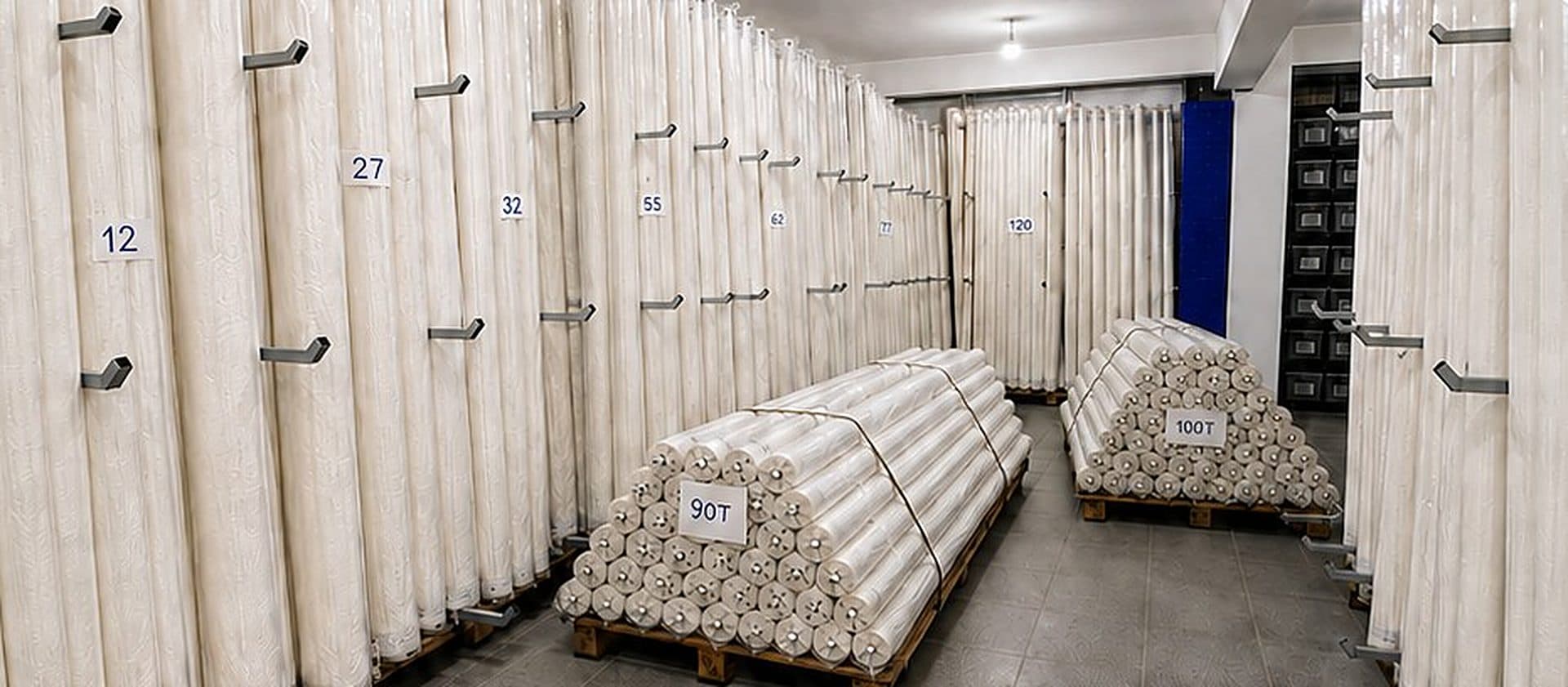
The Tekden Tekstil range includes 12T, 27T, 32T, 43T, 55T, 62T, 77T, 90T, 100T, 120T, 140T and 165T.
| T/cm | Mesh/inch |
|---|---|
| 12T | 30 |
| 27T | 68 |
| 32T | 80 |
| 43T | 110 |
| 55T | 137 |
| 62T | Confirmed in the quote |
| 77T | 190 |
| 90T | 230 |
| 100T | 250 |
| 120T | 305 |
| 140T | 355 |
| 165T | 420 |
T/cm is the number of threads per centimetre; mesh/inch is the number of threads per inch. The mesh/inch value for 62T will be published once it is confirmed.
The mesh number alone does not give the exact mesh opening or micron value. The actual opening also depends on factors such as thread diameter, weave structure and product variant. An exact micron value should therefore not be derived from the T value alone.
Polyester monofilament screen mesh is used as the stencil material in printing and as a straining and sieving surface in filtration. Each application has its own page.
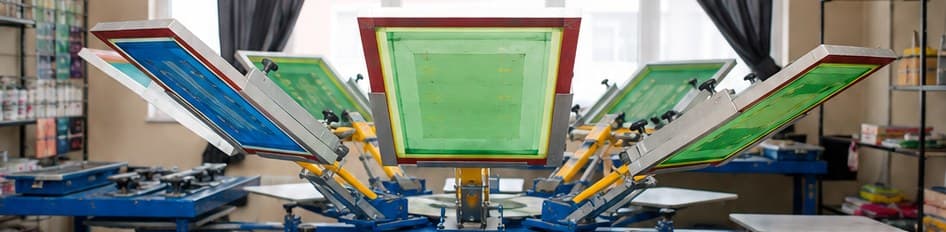
The mesh stretched on the frame of a screen printing or textile printing screen is also called screen printing silk, printing silk, stencil silk or gauze. The number is chosen according to design detail and ink.
Polyester screen mesh / silk mesh for screen printingPolyester monofilament screen mesh and printing silk for textile printing screens.
Polyester monofilament silk mesh for screen printing on glass.
Polyester screen mesh for electronic screen printing such as PCBs, membranes and sensors.
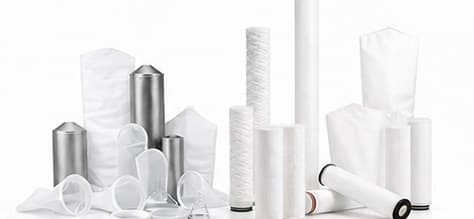
In filtration the same product is searched for as filter cloth, filter mesh, straining cloth or polyester filter mesh. With the right mesh structure and technical properties, it can be considered for air, liquid, water, food and paint-chemical applications.
Technical mesh working inside equipment in HVAC and air conditioning, automotive, home appliances, humidification and industrial applications.
The right number depends on the application. Sharing the details below makes it easier for us to decide together which options to consider.
The final choice is made from the product's technical data sheet and, if needed, a sample; the same number does not automatically suit every application.
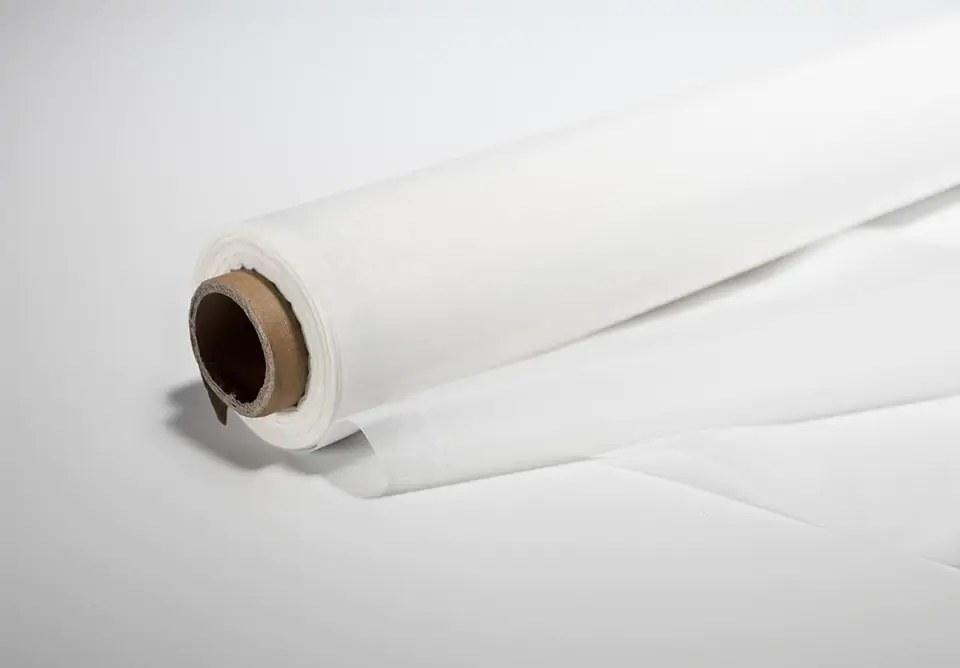
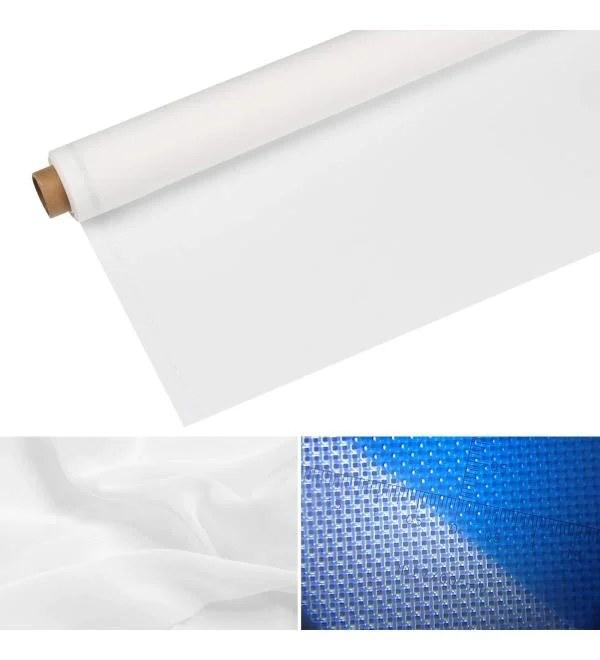
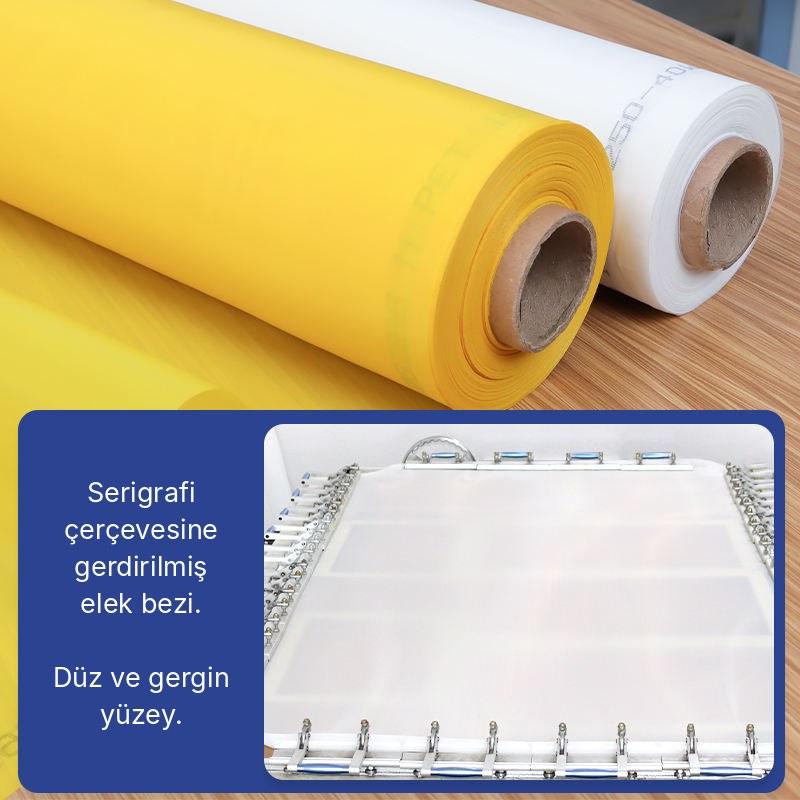
Since 2003, Tekden Tekstil has worked as a B2B technical product supplier in screen printing, textile printing and technical mesh. Its polyester monofilament screen mesh / silk mesh range consists of 12 numbers from 12T to 165T and is supplied across Türkiye in different widths and sizes as needed.
Are silk mesh and screen mesh the same? Learn how the terms differ, what polyester monofilament means, how mesh numbers work and where the mesh is used.
Read MoreMonofilament polyester silk is a precise screen mesh woven from single-strand polyester thread, used in screen printing stencils and filtration. In this article we explain what silk mesh is, what the mesh count means and where it is used.
Read More
Filter cloth is a woven fabric used to hold back particles in liquid or air. Polyester monofilament filter cloth is widely used in filtration thanks to its regular opening structure. In this article we explain what filter cloth is and which industries use it.
Read MoreIf you know your mesh count, you can request a quote directly. If you don't know the right screen mesh for your application, share where you will use it.