













Filtration & Sieving
Polyester Monofilament Filter Mesh & Filter Cloth
In filtration, polyester monofilament mesh is used as filter mesh, filter cloth or straining mesh (in Türkiye it is also called filtre ipeği, literally “filter silk”). Tekden Tekstil supplies it from 12T to 165T in different widths and sizes.
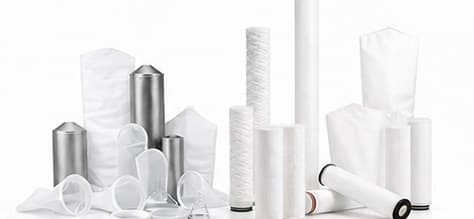
What Is Polyester Monofilament Filter Cloth?
Filter cloth is a technical weave used to retain particles in liquid, air or dusty flows, or to separate material by size. The filter cloth supplied by Tekden Tekstil is polyester monofilament: each thread is a single filament and the threads are woven at regular intervals.
A regular weave gives openings of similar size. In the trade the same material is also referred to as polyester filter mesh, monofilament filter cloth or straining mesh. In printing, the same material is known as screen mesh.
Where Is Filter Mesh Used?
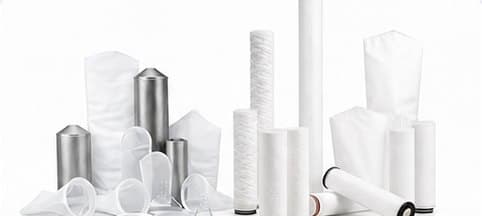
With the right mesh structure and technical properties, polyester monofilament filter mesh can be considered for many filtration, straining and sieving applications. Main uses:
- Straining liquids and retaining the particles in them
- Retaining dust and particles from the air in pre-filters
- Sieving powders and granules by size
- Protective filter surfaces in air conditioners, appliances and vehicles
- Use as the technical mesh component in filter bags, cartridges and framed filter elements
Filtration Applications
Air Filtration
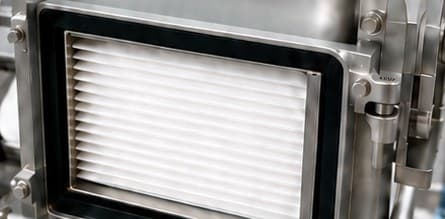
Polyester monofilament filter mesh and filter cloth for making air filters and pre-filters.Liquid Filtration
Polyester monofilament filter mesh and filter cloth for separating particles in liquids.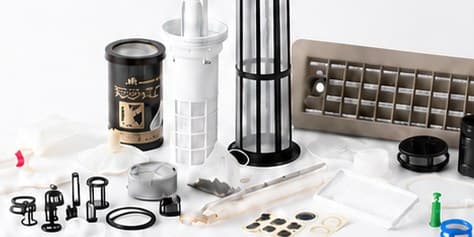
Paint & Chemical Filtration
With the right mesh selection, polyester monofilament screen mesh can be used for particle separation and filtration in paint and chemical processes.Water & Treatment
Polyester filter mesh evaluated for water treatment and water straining.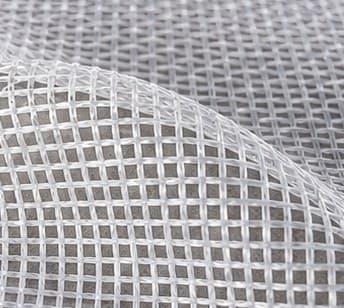
Food Sieving & Filtration
Polyester sieving cloth evaluated with a focus on documents for flour and powder sieving and liquid straining.HVAC & Air Conditioning
Polyester monofilament filter mesh on rolls for making air conditioning and HVAC filters.Automotive
Polyester filter mesh evaluated against the part and process specification.Home Appliances / White Goods
Polyester filter mesh evaluated for home appliance and white goods parts.Industrial Applications
Polyester industrial filter mesh and technical mesh for powder, liquid and process filtration.What Matters When Choosing Filter Cloth?
- Particle to be retained
- The size and nature of the particle to be separated are the starting point for choosing the mesh number.
- Fluid and flow conditions
- Whether the medium is a liquid or air, the flow rate and the pressure all affect the choice of opening.
- Temperature and contact substances
- The operating temperature and the substances the filter cloth comes into contact with should be checked separately for material compatibility.
- Form of use
- Use as bags, cartridges, frames or cut pieces is assessed together with size and quantity.
- Existing sample
- A sample of the filter cloth you use makes technical matching easier.
Sharing this information in your quote request speeds up finding the right mesh number.
Filter Cloth and Mesh Number
The mesh number (T/cm) gives the number of threads per centimetre. A higher number means a higher thread count, but the actual opening also depends on thread diameter and weave structure. An exact micron value should therefore not be derived from the T value alone.
- 12T
- 27T
- 32T
- 43T
- 55T
- 62T
- 77T
- 90T
- 100T
- 120T
- 140T
- 165T
Values such as micron, mesh opening, open area, temperature and chemical resistance vary with the count, thread diameter and application; they are confirmed per product at the quote stage.
See the 12T–165T mesh count tableWhich Mesh Number Suits Your Filter?
If you know the mesh number of the filter cloth you use, you can request a quote directly. If not, tell us the medium being filtered, the particle to be retained and how the cloth is used.